The Rocky Mountain Biosphere. Part 1. Introduction.
Part 1. An Introduction to the Rocky Mountains.
Welcome to our little corner of the world. We like to think that we live in a biological paradise, which is dominated by the Eastern flanks of the Rocky Mountains. As mature students of biology, we hope to share with you our passion for the living world.
I have been known to boast that there is nothing between our front door and the Rocky Mountains. Our small hometown is set in a canyon carved out by Rocky Mountain Creek. Having made its way down from the high country, it continues its journey across the Prairies to merge with the central river system. This is our biosphere. The Rockies dominate our biosphere.
The extent of the Rocky Mountains.
Let’s start with the Rocky Mountains themselves, as they are a relatively young chain of mountains, having been created only 85-175 million years ago, and occupy only 8% of the province of Alberta, making them its highest lands. Our study area for this blog is the southern end of the Front Range. This Alpine region is a tundra-like landscape, characterised by rugged mountain peaks, snow, and ice, encompassing all areas above the tree line. It extends from north to south along the Continental Divide. Visit our Flight over the Rocky Mountains
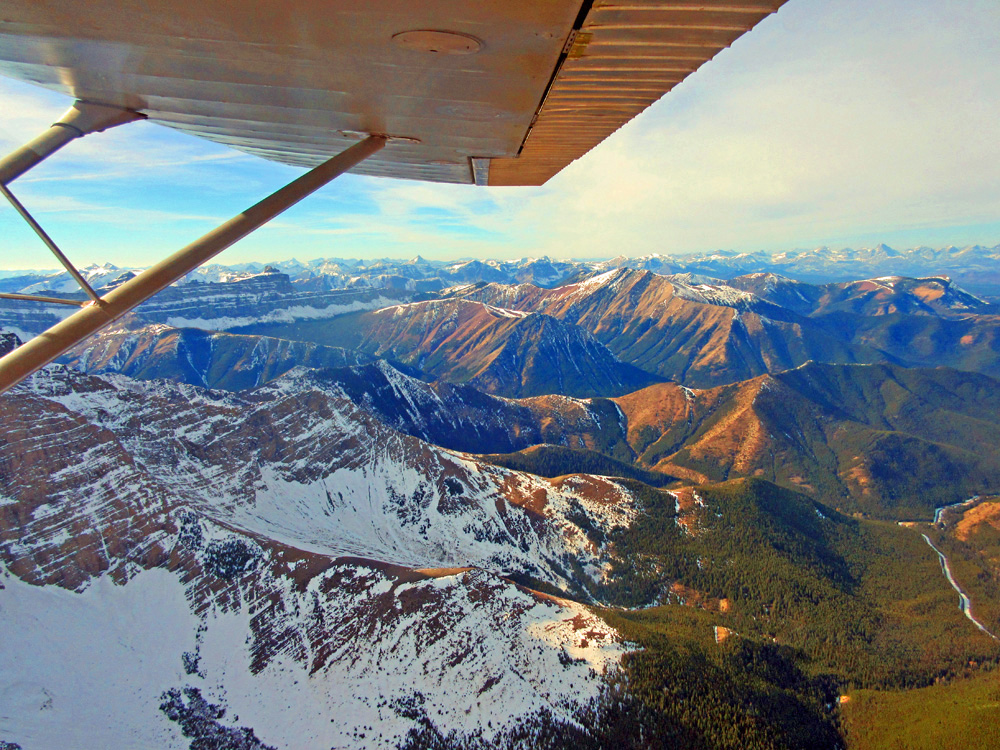
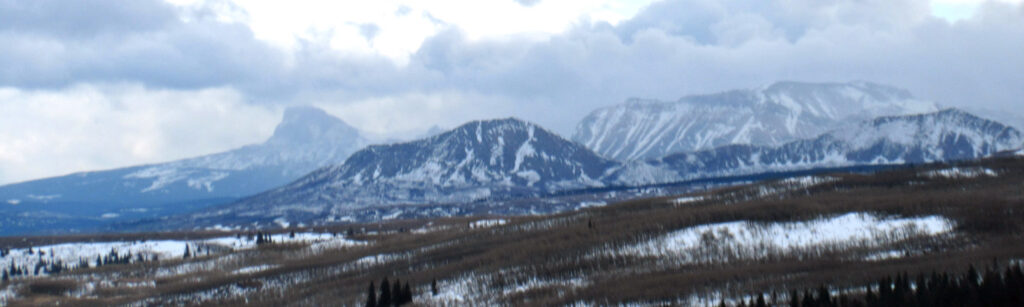
Eastern Slopes of the Rocky Mountains.
Climbing out of our canyon and standing on the rim, we can see the Rockies disappearing over the horizon to the south. Turning to the north, we can witness this mountain chain marching towards Alaska. The skyline is dominated by the high peaks of the Alpine.
You may like to visit – The Eastern slopes.
The Alpine Regions.
The Alpine regions are like entering a cathedral; there is a hush of tranquillity and beauty. Coniferous forests are the dominant vegetation type throughout this subregion. Engelmann spruce, subalpine fir, and subalpine larch forests mixed with herb-rich meadows occur at higher elevations. Young lodgepole pine stands that developed following fires are present at lower elevations. • The climate is cold year-round, and tree growth rates are generally slow. From the conifer forest of the subalpine region, we can gaze up at the high, vertical cliffs of the highest parts of the Alpine region.
Is there life up there, during the bitter winter mouths? Visit Alpine in Winter.
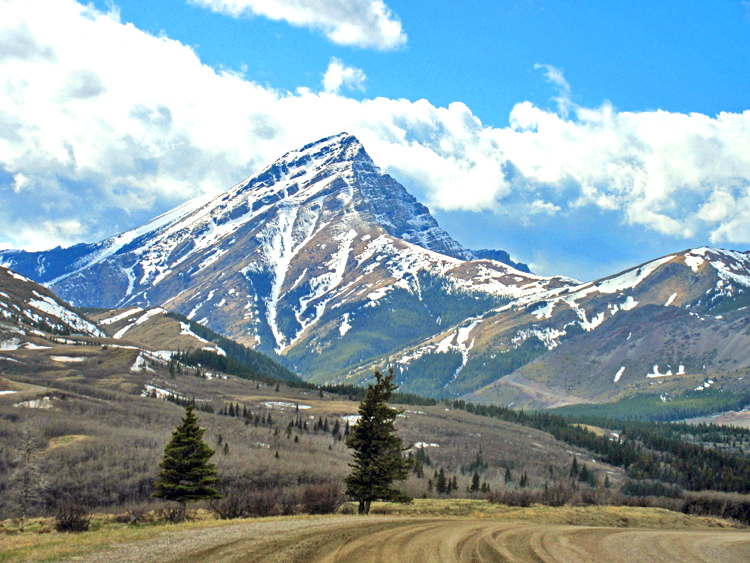
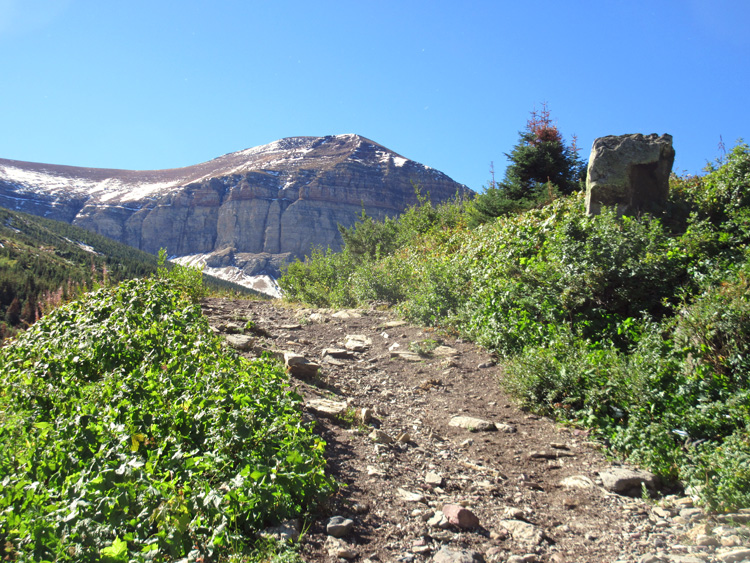
The High Alpine.
The high Alpine is a land of rocks, sheer cliffs, snow, and ice. An area above the tree line. From here, we drop down to the sub-alpine zone.
This is a region of incredible beauty and blue water tarns. The Rocky Mountains’ subalpine zone is the biotic zone immediately below the tree line.
Next, we descend to the canyon’s floor, which is part of the Montane Region.
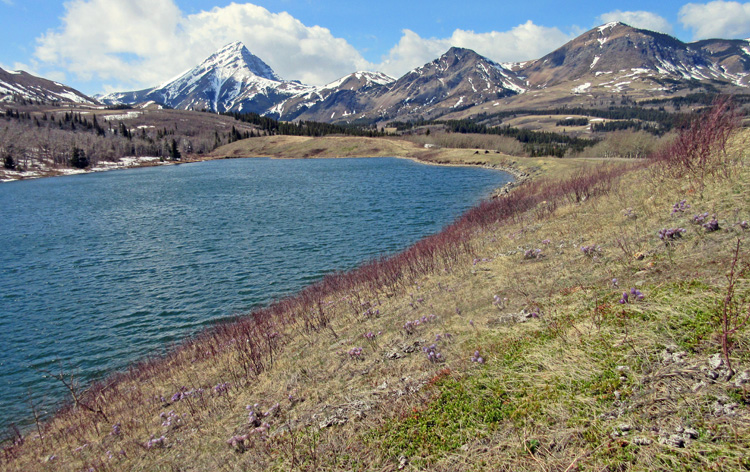
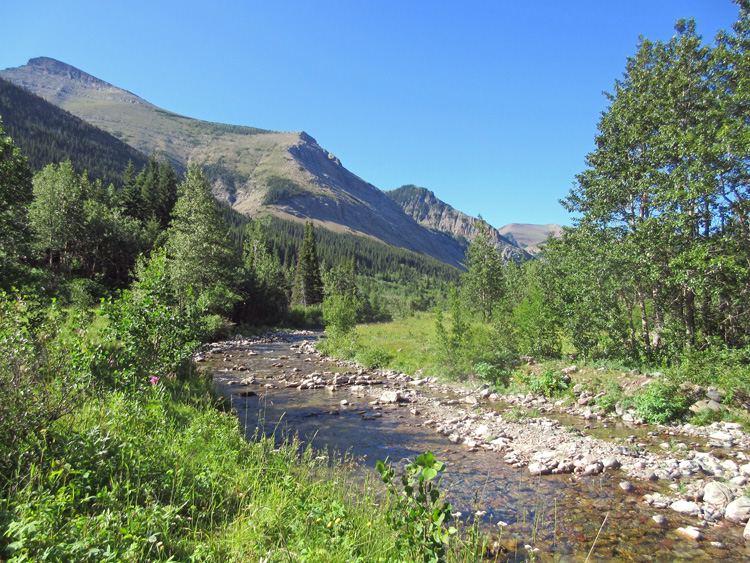
The Montane Region.
Climbing down, we enter the Montane, an enchanting region of mixed forest, mountain creeks, and our gateway to the Sub-Alpine. This is a magical region of the Rocky Mountains, the Montane sub-region exists only in the low-elevation mountain valleys and canyons. Lower still, we leave the high country behind and enter the Foothills.
The Upper Foothills.
Lower still, we enter the conifer forests of the upper foothills. Compared to the lower foothills, we experience colder and wetter conditions here. One favourite camping spot is a foothills lake that appears to divide the upper foothills from the lower region. While the Upper Foothills are a landscape of Conifers, the lower foothills are a region of deciduous trees.
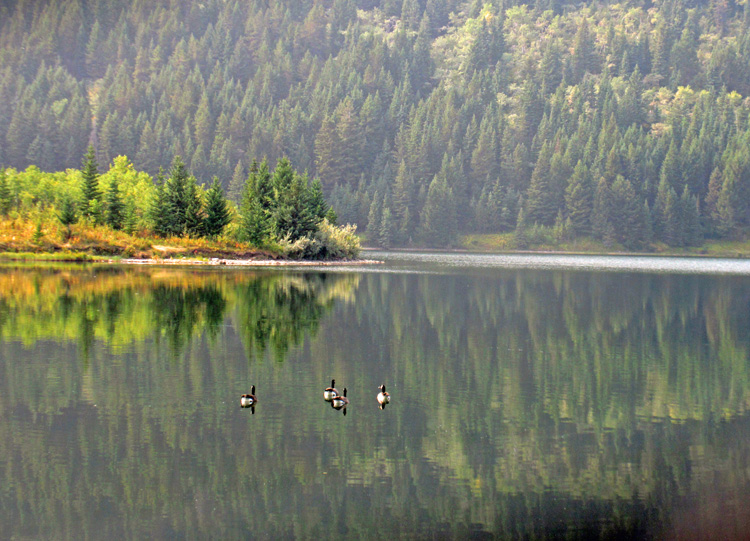
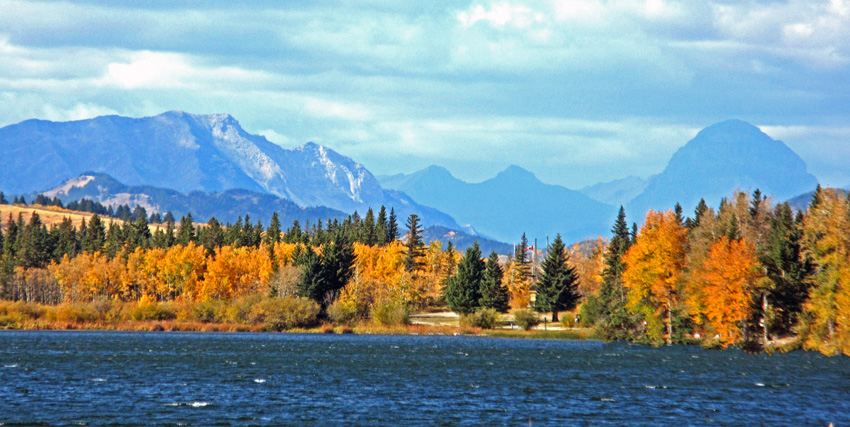
The Lower Foothills is a region of deciduous trees, mainly Aspen. This is a transitional area with cold winters and high snowfall.
Aspen Parkland region.
This is Cowboy country, cattle range across the good fescue grasslands between Aspen belts of woodlands. This is a region of moist grasslands, warm winters, and many Chinook winds; the numerous windmills are a testament to this.
Next, we enter the Towns’ region, an area created by man.
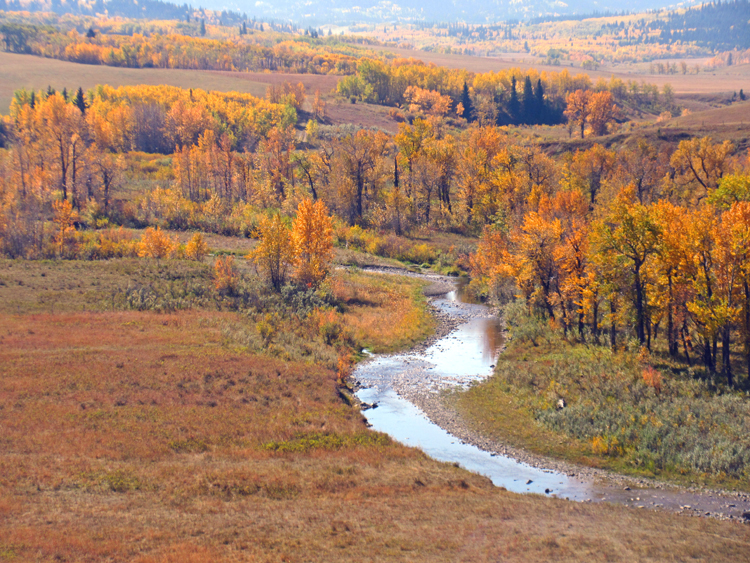
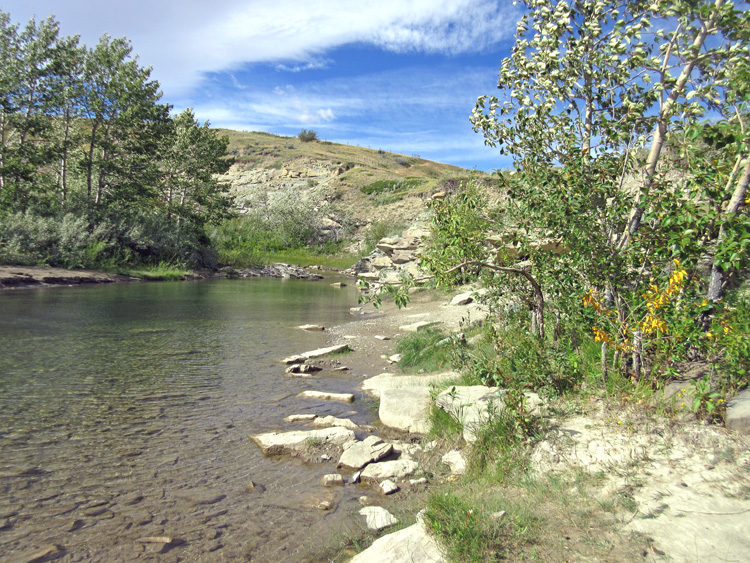
Our Small Prairie Town.
Coming down to our town, which lies within a canyon that was carved out by glaciers and a Rocky Mountain Creek. It still has some beautiful areas, unlike the Prairies, which are heavily cultivated.
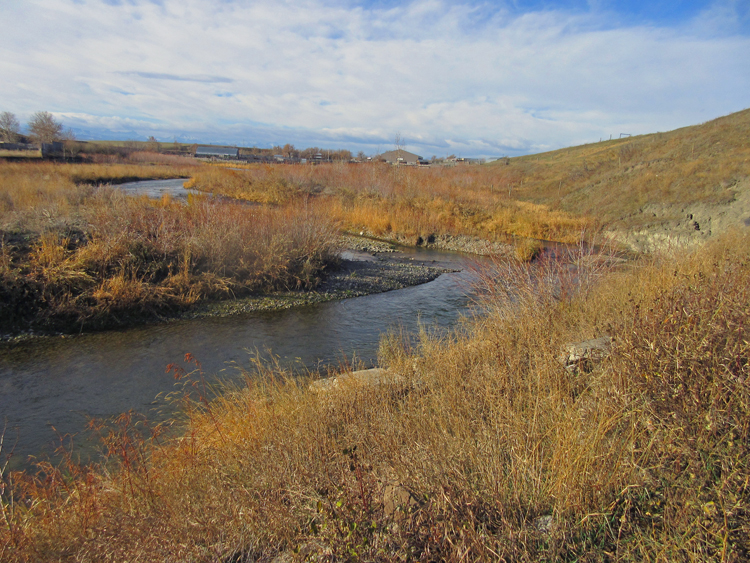
The Prairies’ Reach of the Rocky Mountain Creek.
The Prairies are mostly given over to the cultivation of cereal crops and haymaking. Glacial deposits dominate the soil. Finally, we reach the main river system.
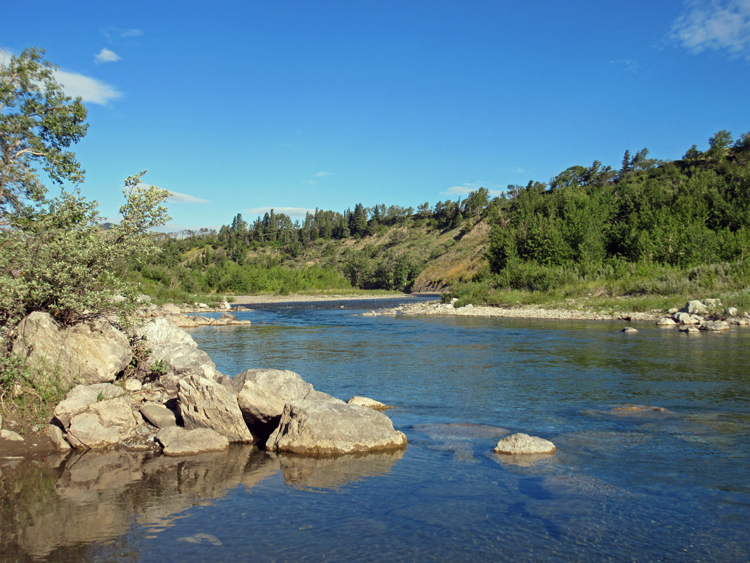
The Main River System.
The northern extent of our local biosphere is the main river system, which conveys the waters of the creeks to the Arctic Ocean.
Learn with us as we study the history of the Rocky Mountains.
Enjoy our observation of the larger mammals to be seen in the Rockies.
Stroll with us through the high Alpine meadows taking in the beauty of its plants. Coming Soon.